Auditory obstruction can be unsettling, often making you feel isolated from the world around you. It is common to presume that muted sound signifies long-term hearing impairment, but the issue is often just a treatable cerumen obstruction.
Recognizing how to identify these differences ensures you obtain the correct treatment, whether that is safe wax removal or a clinical hearing test. Avoid the urge to worry if your hearing feels abruptly reduced. A professional assessment will deliver the definitive answer, but the following guide outlines the primary variations between blockage-based issues and permanent loss.
Recognizing Cerumen Blockage Symptoms
Cerumen (wax) is a normal, defensive substance that helps capture dirt and debris and keeps the ear canal functional. The trouble starts when this material collects to the point of a physical blockage.
Signs of a blockage often feature:
- Muted sound quality that manifests gradually or suddenly
- The perception that there is a mechanical obstruction in the canal
- Localized sensitivity or localized aching in the ear
- Ringing in the ear (ringing)
- Moments of clearer hearing after a jaw stretch or eating
Cerumen-based hearing problems are often asymmetrical, impacting one ear more than the other. Luckily, once surplus wax is professionally removed, hearing often reverts to normal instantly.
How Auditory Loss Typically Presents
Permanent hearing changes, often caused by age or noise exposure, are gradual and persist even if the ear is completely clear.
Signs of actual hearing loss may feature:
- Challenges with word clarity in crowded or noisy locations
- Regularly needing clarification during normal dialogue
- Adjusting media volumes to a level that others find uncomfortable
- Reduced sensitivity to higher-pitched sound signals
- A balanced decrease in hearing ability in both sides
A vital distinction is that actual loss lacks the physical “clogged” sensation that follows a cerumen impaction.
Quick Guide: Cerumen vs. Auditory Decline
While evaluating cerumen impaction vs. auditory impairment, a few clues can help point you in the right direction:
- Timeline: Wax-related dampening can be rapid, but lasting loss takes years
- Resolution: Wax-related hearing changes are usually temporary; auditory impairment is frequently irreversible
- Markers: Fullness points to a blockage; difficulty with word precision points to decline
- Asymmetry: Wax often affects a single ear; auditory impairment commonly affects both
Reasons Not to Treat Yourself
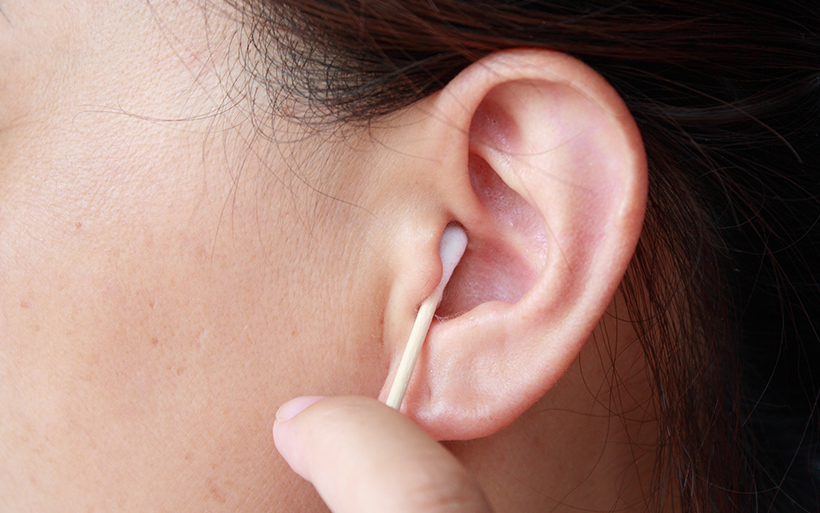
Many people make the mistake of attempting to clear a perceived blockage themselves using swabs or home items. Regrettably, these can push wax further in and worsen the situation.
Health specialists caution that inserting anything smaller than your finger in your ear can result in eardrum rupture and severe impaction.
On the other hand, presuming a problem is merely wax when it is truly auditory impairment can hinder you from getting the assistance you require to remain connected.
How a Professional Exam Assists
A clinician can employ an earlight to instantly visualize if a mechanical blockage is present.
If a blockage is found, a professional can clear it carefully, often returning your auditory function immediately.
Should the auditory canal be unobstructed but auditory difficulties persist, a hearing test can evaluate whether hearing loss is identifiable and identify its category and severity.
Health experts advise seeking a professional evaluation as promptly as you notice auditory changes that impact your lifestyle.
Is It Cerumen Impaction or Hearing Loss?
Muted auditory quality is not a definitive marker of long-term loss.
It is often the reality that a simple, resolvable obstruction is the source of the concern.
A clinical assessment will give you the answers you require to advance without worry.
In the end, an audiology consultation is the only certain way to distinguish between a fleeting obstruction and a permanent shift.
Treating the issue now stops the anxiety of the unknown and puts you on the track to better hearing.
Instead of guessing what is wrong, book a rapid check-up with our audiologists to get the truth.