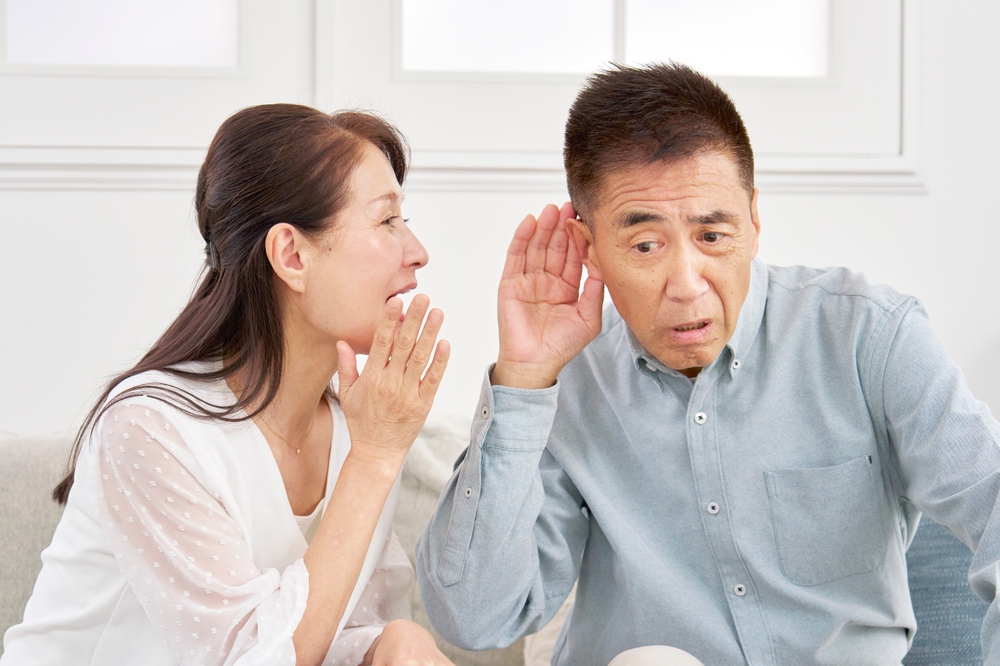
Although hearing loss affects a vast demographic, false narratives continue to obstruct the path to effective ear care. And with hearing loss, getting the right care at the right time is critical. Subscribing to auditory misinformation can hinder treatment timelines and compromise social connectivity.
Identifying the facts behind auditory health allows you to navigate clinical options with technical certainty. Let us explore seven widespread myths about hearing and the medical facts that provide clarity.
Myth One: Auditory Decline is Strictly Age-Related
While age-related hearing changes are common, hearing loss can occur at any age. Factors such as acoustic trauma, genetic markers, ototoxic drugs, and viral infections trigger hearing issues in youth.
Labeling hearing loss as a senior-only problem often causes younger patients to overlook critical early warning signs.
The “I Can Still Hear” Fallacy
Clinical hearing loss exists on a spectrum and rarely results in immediate total silence. Patients with mid-range impairment often perceive environmental noise while losing the ability to decode complex speech. A broad range of auditory dysfunctions exists between asymptomatic hearing and complete deafness.
Signs of decline often involve poor speech-in-noise recognition and significant mental strain after talking with others. Such symptoms are early clinical indicators that the auditory processing system is under stress.
Myth: Auditory Decline is a Low-Stakes Issue
Ignoring hearing loss creates systemic health risks that impact the entire neurological system. Evidence-based research correlates auditory neglect with social anxiety, mental fatigue, and depressive symptoms.
Seeking early treatment safeguards your social connections and your long-term neurological function.
Do Hearing Aids Damage Your Natural Hearing?
There is no clinical evidence to suggest that proper use of hearing aids speeds up auditory decline.
Properly programmed hearing aids pose zero risk of physical damage to the auditory system. Instead, they amplify sounds based on your hearing test results. Utilizing amplification prevents auditory deprivation, keeping the brain’s speech-processing centers active.
Myth Five: The Aesthetic Stigma Fallacy
Current hearing tech leverages micro-circuitry to achieve high performance in small packages. Contemporary hearing aids deliver elite processing power within incredibly discreet housings. Patients can now choose custom-molded options that sit deep within the ear canal for total discretion.
These devices provide high-tech solutions like automatic environment sensing and hands-free calling functionality.
Myth: Small Hearing Changes Don’t Warrant Clinical Action
Even mild hearing loss can impact communication and daily life. Using hearing help for mild cases reduces the heavy “brain power” usually required to decode speech.
Maintaining communicative fluency is far easier when you address auditory shifts in their infancy.
Myth Seven: The Generic vs. Personalized Care Fallacy
Generic OTC amplifiers lack the sophisticated frequency shaping required for complex hearing loss profiles. A clinical hearing test allows an expert to program a solution specific to your biological requirements.
Personalized care makes a significant difference in both comfort and clarity.
Taking Control: Overcoming Misinformation for Better Hearing
Feeling anxious about hearing changes is normal, but avoidance only exacerbates the underlying problem. Auditory fallacies act as roadblocks to the treatment that could change your life today. Fortunately, a modern hearing test is a non-invasive, efficient process that yields vital health data.
If you’ve noticed changes in your hearing (even subtle ones), a professional assessment is an important first step. Early intervention can improve not only communication, but also overall quality of life.
Our practice is dedicated to your auditory wellness; reach out to us for a comprehensive review. Our team is available for appointments: Call us today to protect your hearing.