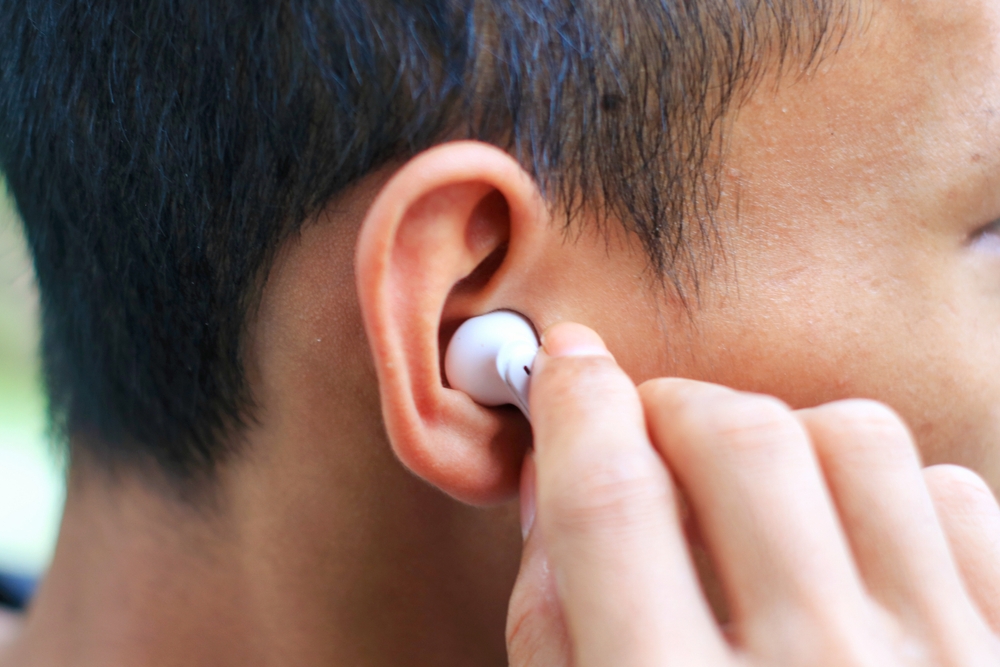
It is increasingly uncommon to observe a young adult in a public setting without an earbud in place. Even with their larger footprint, headphones remain a popular choice for teenagers looking to disconnect from the world. We all enjoy listening to music, no matter our age, but younger people rely on music to pass the time. This leads to the clinical question: can the proximity of these devices to the ear canal trigger permanent auditory damage? Ultimately, hearing health depends on the management of volume and duration rather than the device category.
The Biological Threshold of Auditory Exposure
The right music can induce a state of relaxation, provide spiritual comfort, or drastically boost energy levels. Depends on the music. Personal audio tech provides a convenient way to consume media without infringing on the silence of those nearby. This behavior is socially beneficial, and commuters often report a preference for this shared auditory boundaries on public transit.
From an audiological perspective, we must define the specific thresholds for safe volume and exposure duration. The truth is, loud noise in general is damaging to your ears and your hearing. Combining high-intensity sound with extended exposure times can lead to permanent sensorineural damage. Since hearing shifts occur incrementally, the window for prevention has often closed by the time a patient seeks help.
The Biological Impact of High-Intensity In-Ear Audio
Sound pressure level is the primary variable in the development of **NIHL**. Despite this, the cumulative hours of exposure are just as dangerous as a single loud blast.
- According to the NIH, maintaining a threshold below 70 dB ensures safety, even during extended listening periods.
- There is a direct correlation between increased sound pressure and the speed of hearing degradation.
- Audiologists recommend the 60/60 rule: stay below 60% of max volume and limit sessions to one hour.
- You can safeguard your auditory health by reducing device intensity and monitoring your cumulative daily usage.
Red Flags: When to Suspect Hearing Impairment
If you notice muffled speech, struggle with background noise, experience **tinnitus**, or constantly require others to speak up, a professional evaluation is necessary.
Reach out to our care team immediately if you are concerned about your current hearing sensitivity.