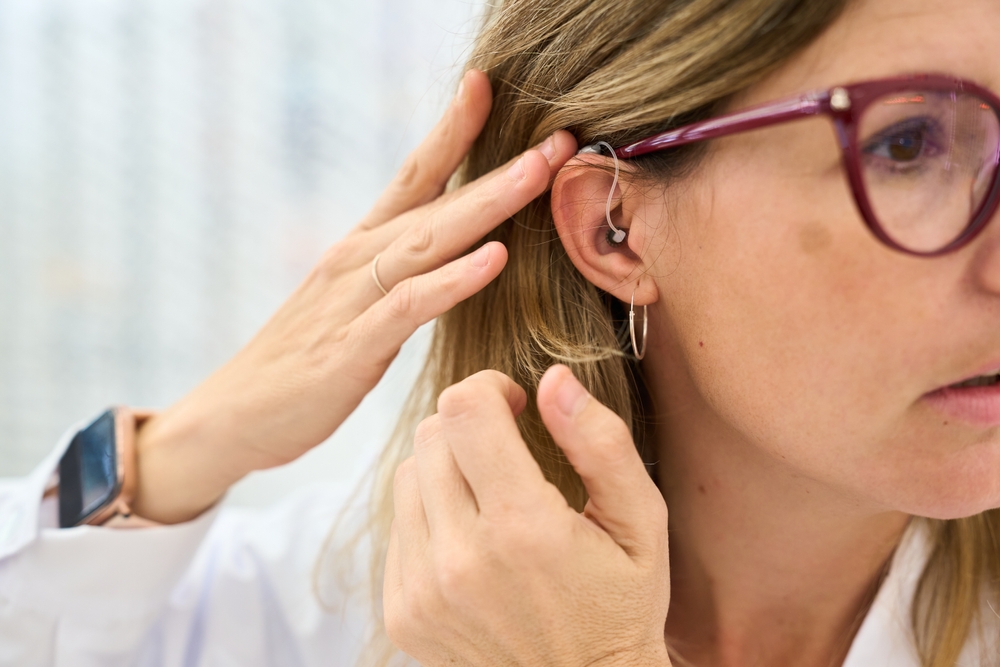
A primary reason individuals put off addressing auditory deficits is the assumption that assistive devices will be unsightly or awkward to wear. For years, hearing aids were large, noticeable, and often negatively associated with getting old. Furthermore, many individuals harbored deep anxieties about social isolation, fearing others would exclude them from discussions based on assumptions of cognitive decline or profound auditory deficits.
For many people, this image has stuck, making them hesitant to take the next step. In reality, the sophisticated hearing instruments of the present era deliver a look and feel that shatters these old assumptions. Thanks to rapid technological evolution, modern devices are remarkably downsized, highly ergonomic, and exceptionally covert.
If you have spent years avoiding an audiologist due to the appearance of old devices, now is the perfect moment to explore today’s sleek alternatives!
The Outdated Devices of Your Imagination Have Been Replaced
When asked to visualize a hearing instrument, the average person still envisions an awkward, highly conspicuous piece of hardware visible from yards away. Should that be your current expectation, you are inadvertently recalling the clunky designs common to the 1980s and 1990s.
Over the last few generations, this medical technology category has experienced a total structural evolution. Continuous refinements in ergonomic styling, nanometer-scale circuitry, and digital audio engineering have radically overhauled the modern cosmetic profile. The resulting devices are beautifully downsized, highly aerodynamic, and built to match lifestyle needs by remaining completely hidden.
A multitude of current designs fit entirely inside the physical ear canal, ensuring they remain hidden from view during normal social encounters. Alternative styles occupy a tiny footprint behind the pinna, utilizing ultra-light materials and customizable color palettes to match hair or skin tones perfectly.
Navigating Modern Hearing Technology: The Three Core Styles Evaluated
If you’re wondering what your main options in hearing aids actually look like, here’s a simple breakdown:
Deep Canal Solutions: Invisible-in-Canal (IIC)
This tier represents the absolute pinnacle of cosmetic concealment. The IIC style fits exclusively within the deep internal canal and is built using a custom impression of the patient’s ear passagographic anatomy. Spoken interactions at arm’s length occur without anyone realizing a medical device is present. They’re a popular choice for people with mild to moderate hearing loss who prioritize subtlety.
Receiver-in-canal (RIC) / Receiver-in-the-ear (RITE)
Statistically, this open-fit design represents the dominant choice among current consumers. The system utilizes an incredibly small housing resting behind the ear, linked by a hair-thin translucent cable to a miniature speaker within the ear pathway. From an aesthetic standpoint, they look very similar to trendy consumer tech or modern bluetooth monitors. Unless an individual is specifically searching for the device, it remains completely unnoticed during normal interactions.
Traditional Behind-the-Ear (BTE) Reimagined
This style positions the main component body post-auricularly, offering a slightly larger footprint that remains beautifully sculpted and sleek. Frequently utilized to remediate severe-to-profound auditory loss, they maximize gain and processing capability while maintaining a highly professional, low-profile aesthetic.
The bottom line is simple: modern assistive hearing systems are crafted to serve your life quietly, not to draw attention to your ears.
How Current Hearing Technology Outperforms Traditional Amplifiers
It is vital to recognize that this technological revolution is not simply a visual upgrade. Contemporary devices are essentially miniature smart hubs rather than historical medical hardware. A vast majority feature native Bluetooth connectivity, enabling seamless, wireless streaming of telephonic communication, media, and television audio directly into your auditory pathway.
Equipped with dedicated smartphone applications, they allow users to manipulate volume matrices or toggle environmental programs without making manual physical adjustments. If you enter a chaotic, crowded room, you can optimize your digital noise reduction settings to isolate speech within seconds. Convenient overnight charging systems have permanently replaced the tiny disposable batteries that patients traditionally struggled to replace. Just place them on a charger overnight, like your phone.
Empowerment Over Hesitation: Redefining Hearing Health Care
Despite being aware of these massive design improvements, it is entirely normal to feel a sense of hesitation. Scheduling an appointment can feel like a profound internal challenge because it represents an open admission of sensory alteration. This realization can occasionally induce feelings of helplessness, leaving patients feeling detached from their own physical autonomy.
But here’s a different way to look at it: Hearing aids aren’t a sign that something has gone wrong. Rather, they represent a proactive response to natural biological evolution—a transition shared by every human being. Adopting this tech is definitive proof that you are actively taking charge of your health to empower and protect your daily cognitive function.
Imagine wearing a discreet, barely (if at all) visible device and finally being able to follow along in conversation, hear better in crowds, and focus on the things that really interest you. This is the definition of true personal empowerment!
See For Yourself What Today’s Hearing Aids Look Like
To dismantle old assumptions, the best strategy is to witness these design breakthroughs with your own eyes. We invite you to come in, ask questions, and explore your options with no pressure and no commitment necessary. View this consultation simply as a tactile opportunity to discover just how radically changed this technology has truly become.
The overwhelming majority of our patients leave their consultation thoroughly amazed by the compact scale, luxurious comfort, and acoustic clarity of current technology! Do not let outdated myths delay your wellness—call our specialized practice or book your appointment online today.