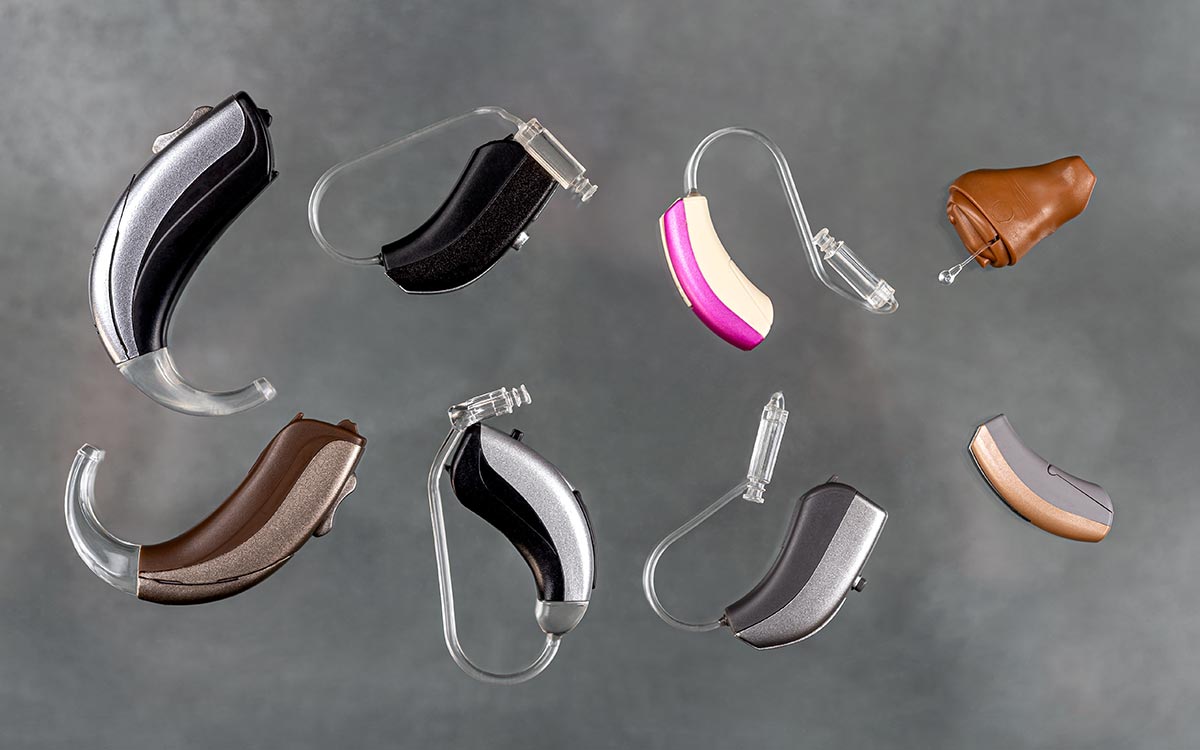
With so many options in terms of dimensions, style, and technology, the process of picking a hearing aid can feel quite intense. But no matter your needs, there’s a hearing solution for every lifestyle, preference, and degree of hearing loss. It’s just an issue of finding it!
Feeling positive about your selection begins with knowing how different hearing aids function and compare. Today, we’re breaking down the various hearing aid styles and what makes each one unique.
In-the-Canal (ITC) Hearing Aids
The Meaning:
These hearing aids are placed partially inside the canal, making them visible only slightly from the outside.
Why users choose them:
- Offers an improved shape than bulkier behind-the-ear units
- Specifically shaped to the user’s ear for an optimal fit
- A useful option for those with moderate hearing needs
These devices are frequently recommended for novices due to their effective mix of subtle design and user-friendly functions.
Exploring IIC (Invisible-in-Canal) Options
What they represent:
IIC hearing aids are the smallest custom style available. This style rests deep in the ear for an entirely covert appearance.
Primary Incentives:
- Highest degree of discretion for the wearer
- Natural sound quality due to mic placement
- So light and small that users often don’t notice they are wearing them
The small form size of IIC models renders them perfect for mild hearing loss and anyone who values an invisible hearing solution.
Full and Half-Shell ITE Options
Product Information:
An ITE hearing aid fits snugly within the outer ear, available in both full-shell and half-shell configurations. They are custom-made to fit the contours of your ear.
The Benefits:
- The bigger size makes it possible to include more internal components and longer-lasting batteries
- Great for seniors who find smaller devices difficult to manipulate
- Capable of providing enough power for extreme hearing needs while remaining in-the-ear
ITE models are frequently chosen by people who want a simple, all-in-one design without behind-the-ear components.
Exploring BTE (Behind-the-Ear) Styles
What they are:
An external hearing aid is worn outside the ear for an optimal fit. These models use an individualized earmold or tubing to direct sound inside.
Common Reasons:
- Regarded as one of the most reliable and robust designs available
- Function for almost all degrees of hearing loss
- The spacious casing allows for high-tech extras and built-in power cells
For those who value a dependable device that is easy to manage and provides plenty of volume, BTE is an excellent choice.
Modern RIC (Receiver-in-Canal) Models
Design Specifications:
RIC hearing aids appear similar to BTE models, but the speaker (receiver) sits inside the ear canal rather than inside the device behind the ear.
Key Pros:
- Minimizes the “plugged up” sensation for more pure hearing
- Offers an incredibly low-profile look that is comfortable for almost everyone
- Flexible enough to address a broad range of hearing impairments
RIC units are extremely common currently because they balance appearance with powerful functionality.
Extended-Wear Device Facts
Introduction:
A hearing specialist inserts these specialized hearing aids deep into the canal, where they remain for multiple weeks.
Lifestyle Benefits:
- No daily insertion or removal
- Offers a 100% covert solution for hearing health
- Built to endure the stresses of sleep, exercise, and showering without being removed
For an autonomous method of hearing assistance, extended-wear technology is the top recommendation.
Wireless Bluetooth Connectivity
Digital Attributes:
Connectivity-focused hearing aids that utilize Bluetooth to integrate with your digital life.
Digital Benefits:
- Enjoy direct sound streaming from your phone or TV right into your ears
- Allows for instant, subtle adjustments to your hearing aids through digital software
- Perfectly suited for the needs of an advanced, connected individual
This wireless technology is found in most modern behind-the-ear and in-the-canal models.
Middle-Ear Implants
Procedure Information:
Middle-ear implants are specialized tools that use mechanical vibration to enhance hearing via the middle ear.
Why people choose them:
- A viable route for patients who are unable to wear standard acoustic devices
- Ideal for users who experience chronic irritation from standard molds
Candidates for middle-ear implants must complete an exhaustive evaluation by a hearing specialist.
Selecting Your Ideal Auditory Option
Selecting an instrument is an individualized process that takes into account your hearing severity, lifestyle habits, and visual preferences. A specialist can provide the support needed to test out different styles and find the one that fits your life perfectly.
Start moving toward a world of better sound by arranging a consultation with a hearing specialist. It is the most significant move you can make toward an increasingly vibrant and confident life.
Sources:
https://www.mayoclinic.org/diseases-conditions/hearing-loss/in-depth/hearing-aids/art-
20044116
https://www.hearinglife.com/hearing-aids/types
https://www.nidcd.nih.gov/health/hearing-aids