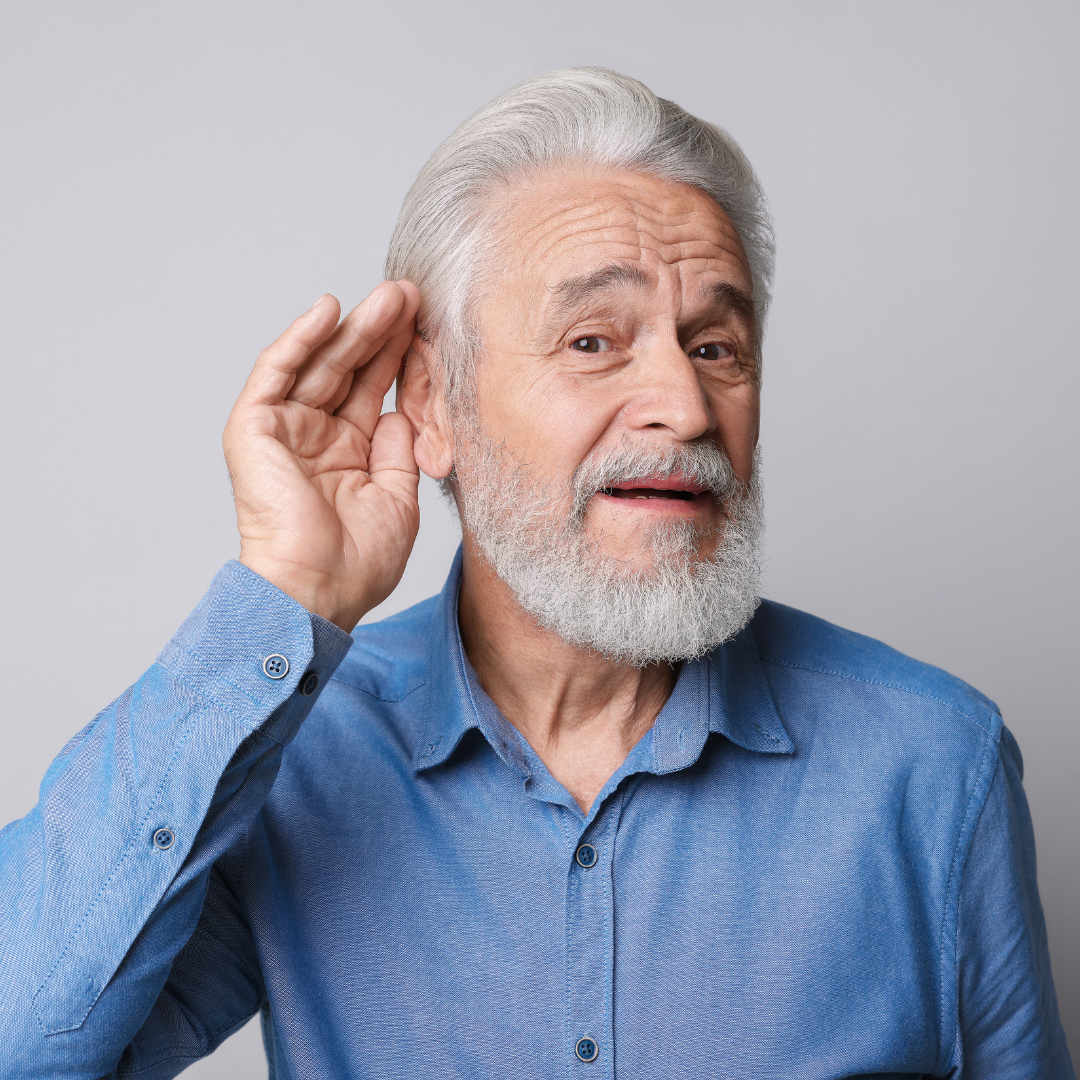
The sudden loss of auditory sensitivity in one ear is frightening and frequently leaves patients unsure of how to seek care. Our clinical team conducts same-day diagnostic hearing evaluations and streamlines collaborative medical care following sudden auditory changes. An acute sudden hearing loss demands prompt evaluation by an audiologist or ENT physician to initiate time-sensitive medical care or auditory rehabilitation.
Is Sudden Deafness in One Ear Considered a Medical Emergency?
Yes. Experiencing sudden hearing loss on one side constitutes a clinical emergency, especially when the drop happens over hours or a couple of days. Clinically termed sudden sensorineural hearing loss or sudden deafness, this condition originates within the delicate inner ear or cochlear nerve pathways. It generally arises in the absence of pain, causing individuals to mistakenly assume their ear is simply plugged or congested.
Potential signs of this condition include:
- A rapid decrease in volume or clarity on one side
- Struggling to hear or follow telephone speech on the compromised side
- Sensation of an internal ear pop or mounting aural pressure right before hearing diminishes
- New ringing, buzzing, or roaring in the affected ear
- Balance disturbances, postural unsteadiness, or acute vestibular vertigo
Do not wait for hearing to restore on its own. Seek same-day diagnostic guidance from our practice, an urgent care physician, or an otolaryngology specialist.
Why Rapid Clinical Intervention Matters for Sudden Unilateral Hearing Loss
Early clinical intervention is crucial because treatment protocols for sudden sensorineural hearing loss are far more successful when commenced right away. Our clinicians must first identify whether the deficit is conductive—caused by cerumen impaction, middle-ear effusion, or ossicular dysfunction—or sensorineural, involving the cochlea or auditory nerve. While conductive and sensorineural losses can feel virtually identical to the patient, they mandate entirely different clinical therapies.
Direct otoscopic visualization and a comprehensive diagnostic hearing test precisely establish the underlying type, audiometric configuration, and severity of the loss.
Go to an emergency medical facility immediately if sudden hearing loss presents in conjunction with:
- Sudden facial droop, hemi-facial paresis, or sensory numbness
- Inability to formulate words, sudden mental confusion, or a severe, atypical headache
- Diplopia (double vision), syncope (fainting), or severe gait ataxia
- Sharp chest discomfort or related symptoms of acute cardiovascular distress
These red-flag manifestations often signify a life-threatening neurological or cerebrovascular crisis requiring emergency hospital care rather than an outpatient visit.
Clinical Causes and Mechanisms Behind Sudden Hearing Loss
In a large majority of sudden sensorineural hearing loss cases, diagnostic testing reveals no identifiable definitive etiology. When a cause can be identified, it may involve inflammation, injury, circulation, the immune system, or another condition affecting the inner ear or auditory nerve.
Documented clinical etiologies include:
- Viral cochleitis or secondary bacterial infections
- Concussive physical head trauma or sudden high-decibel acoustic trauma
- Underlying autoimmune conditions attacking cochlear tissue
- Administration of potentially ototoxic pharmaceutical agents
- Vascular disruptions, arterial thrombosis, or reduced labyrinthine blood flow
- Inner-ear disorders such as Ménière’s disease
- Demyelinating central nervous system diseases including multiple sclerosis
- A benign tumor, such as a vestibular schwannoma, compressing the vestibulocochlear nerve
Since presenting signs do not confirm the specific etiology on their own, obtaining a prompt examination and diagnostic audiologic testing is essential.
How Can Sudden Sensorineural Hearing Loss Be Treated?
Prescription corticosteroids are the gold-standard treatment when sudden sensorineural hearing loss develops without an overt etiology. Steroid medications can be administered as an oral taper or delivered via intratympanic injection through the eardrum directly into the middle ear space to diffuse into the cochlea. Treatment options are made by us and should account for the timing and severity of the loss, medical conditions, current medications, and potential side effects.
Steroids are typically administered within the first two weeks of onset, making it critical to begin medication as early as medically appropriate. Targeted intratympanic steroid injections are often indicated as salvage therapy when oral regimens fail to provide full auditory restoration. In selected cases, a physician may discuss hyperbaric oxygen therapy combined with steroids.
The Reality of Spontaneous Recovery in Sudden Hearing Loss
Sudden sensorineural hearing loss can improve without treatment. Literature indicates that approximately 50 percent of patients recover some or all hearing spontaneously, frequently within the first one to two weeks. Still, there is no clinical way to predict at symptom onset who will experience spontaneous recovery, how much hearing will be regained, or whether stability will persist.
Anticipating spontaneous recovery is not a justifiable clinical rationale for postponing prompt care. Initiating treatment several weeks following symptom onset drastically reduces the probability of reversing permanent damage, effectively shutting a vital clinical window. Final patient outcomes vary widely, spanning full recovery, partial gains, or minimal improvement.
Audiological Management for Persistent Sudden Unilateral Hearing Loss
When medical therapy fails to restore hearing, secondary strategies are determined by residual pure-tone thresholds, word-recognition performance, and diagnostic rule-out testing. Diagnostic protocols may involve scheduling a cranial MRI scan or performing an auditory brainstem response test to inspect the auditory nerve and brainstem pathways.
Extended rehabilitative solutions may incorporate:
- A traditional digital hearing aid provided the ear demonstrates functional, aidable residual hearing
- Implementing a CROS system that wirelessly beams sound from the unaidable ear to the better ear
- An implantable bone-conduction hearing processor for patients satisfying audiological criteria
- Cochlear implantation designed to restore binaural hearing in qualifying cases of single-sided deafness
- Remote microphones and assistive listening tools configured for complex occupational, educational, or personal environments
Individualized audiologic rehabilitation actively addresses listening fatigue, compromised directional localization, and conversational strain. The appropriate auditory solution depends entirely on objective hearing test outcomes, lifestyle requirements, systemic health, and patient preferences.
Schedule an Urgent Hearing Assessment
Should your hearing acuity decline abruptly today or over recent days, pursue immediate same-day clinical guidance rather than booking a routine appointment. We can perform diagnostic hearing testing, compare both ears, review when the change began, and coordinate with an ear, nose, and throat physician or another medical provider when necessary.
Contact our clinic without delay to request a prompt hearing evaluation.