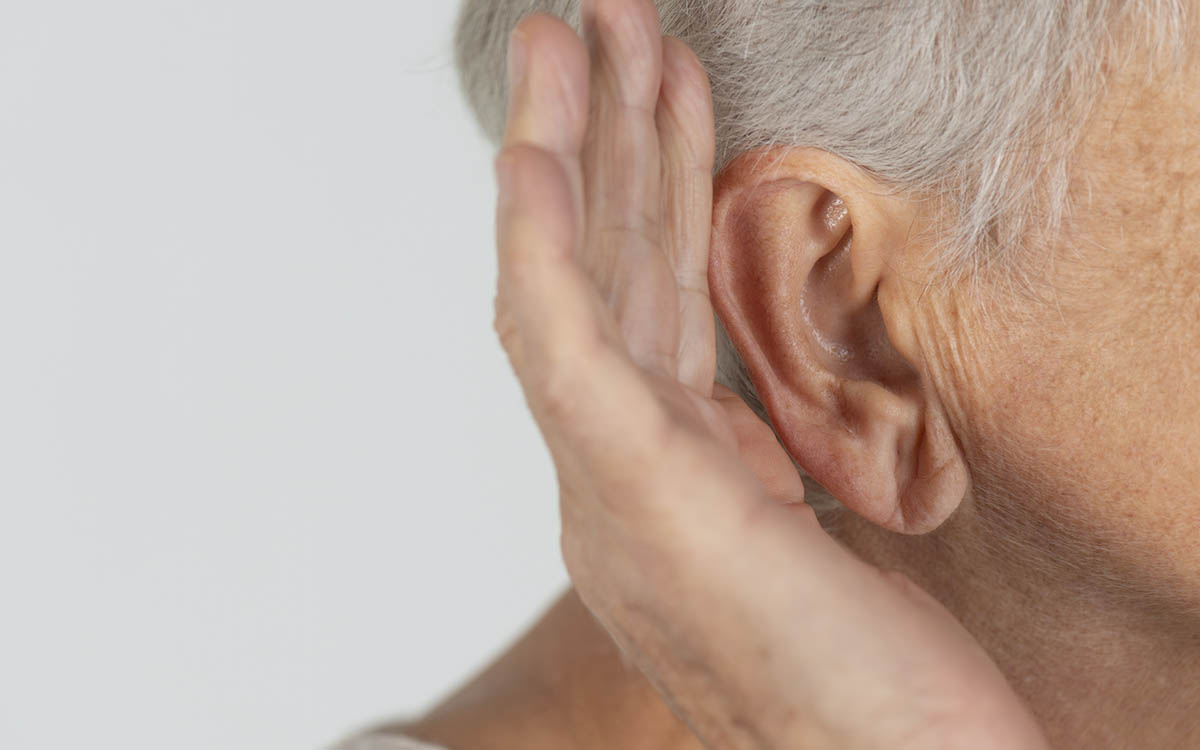
Commonly, clinicians link hearing loss to the aging process, though for a significant portion of the population, auditory trauma initiates much earlier in life. As one of the most prevalent and avoidable types of auditory impairment, noise-induced hearing loss typically progresses slowly, remaining undetected until the damage is irreversible.
An objective understanding of noise-related auditory impact over time allows for preventative measures before significant hearing loss occurs.
Establishing the Clinical Indicators of Acoustic Injury
The pathology of noise-induced hearing loss involves trauma to the sensitive anatomical structures within the inner ear. According to the Centers for Disease Control and Prevention, auditory impairment may begin with chronic exposure to noise levels over 85 decibels. Intense noise sources, specifically firearms or industrial tools, can compromise hearing integrity within a very brief timeframe.
The internal auditory system houses delicate sensory units termed hair cells. These receptors facilitate the conversion of acoustic vibrations into electrical signals decoded by the brain. Following injury, these hair cells lack the biological capacity to regenerate, which renders noise-related hearing loss an irreversible condition.
How Hearing Damage Advances Incrementally
The insidious nature of noise-induced hearing loss is highlighted by its gradual developmental timeline. Initial signs of auditory overexposure may present as:
- Temporary ringing or buzzing in the ears (Tinnitus)
- A feeling of muffled hearing after loud events
- Challenges involving speech comprehension within high-noise settings
Initial symptoms may subside, frequently resulting in the incorrect assumption that hearing function has returned to baseline. In fact, chronic noise exposure causes ongoing trauma to inner-ear anatomy, leading to a progressive decline in hearing resolution.
Statistics from the HLAA suggest that 48 million Americans have some form of hearing loss, frequently with unidentified etiology.
Frequent Acoustic Triggers of Hearing Loss
Modern society is characterized by high ambient noise, which frequently leads to a lack of awareness regarding sound intensity. As a result, many individuals remain unaware of the clinical prevalence of damaging noise exposure.
Typical noise-generating sources consist of:
- Concert settings and loud musical performances
- High-volume output from personal listening equipment
- Gas-powered lawn tools, industrial machinery, and motorcycles
- Workplace noise in construction, manufacturing, or warehouses
Because these sounds are often part of daily life, damage can accumulate without clear warning signs.
Prioritizing Prophylactic Measures in Ear Preservation
Noise-induced hearing loss is physiologically irreversible, unlike many other health impairments. However, it is highly preventable. The implementation of basic protective protocols can substantially mitigate risk, such as:
- Utilizing hearing protection devices like earplugs in noisy settings
- Modulating audio output levels and observing 60/60 rule constraints
- Taking listening breaks to give your ears time to recover
- Arranging for routine Audiology assessments if noise exposure is frequent
When to Seek Clinical Auditory Assessments
Should you experience persistent Tinnitus or a decline in conversational understanding, a professional evaluation is indicated. Prompt clinical evaluation is vital for tracking auditory status and formulating effective hearing preservation plans.
Protecting your ears today helps ensure clearer hearing tomorrow. While environmental noise is often inevitable, hearing loss is a preventable outcome. We invite you to schedule an appointment with our team to optimize your hearing function.